
Recognizing when gambling becomes a harmful behavior
The Allure of Gambling
For many, gambling starts as a form of entertainment—an exciting way to pass the time while trying their luck. Whether it’s betting on sports, playing poker, or spinning the roulette wheel, the thrill can be intoxicating. With every loss, the urge to win it back grows stronger, creating a dangerous cycle. For some individuals, this harmless pursuit quickly transforms into a gripping obsession, consuming their thoughts and time.
As the excitement builds and wins become less frequent, the emotional stakes increase. Losses can lead to a desire to chase after luck, often resulting in riskier bets. This behavior signifies a dangerous shift, suggesting that what was once purely recreational could be evolving into something more insidious. Recognizing these early signs can be pivotal for those involved.

The Signs of Harmful Gambling
Many individuals may not realize the signs of harmful gambling until significant damage has been done. Common indicators include the need to gamble with larger sums of money, experiencing anxiety when not gambling, or even neglecting responsibilities in favor of placing bets. These behaviors can lead to financial strain, impacting relationships with family and friends.
Moreover, feelings of guilt or shame following a gambling session can create a cycle of self-justification. Individuals might convince themselves that one more bet can restore their lost money. As these thoughts fester, they can hinder the ability to recognize the destructive path gambling is taking. The earlier one acknowledges these warning signs, the better the chance of reclaiming control.
The Impact of Gambling Addiction
The effects of gambling addiction extend far beyond mere finances. Emotional turmoil can compound, manifesting in anxiety, depression, and even social isolation. Friends and family may grow frustrated or distance themselves, exacerbating feelings of loneliness. Struggling with addiction often brings feelings of hopelessness, leading individuals to engage in even more gambling as a form of escape.
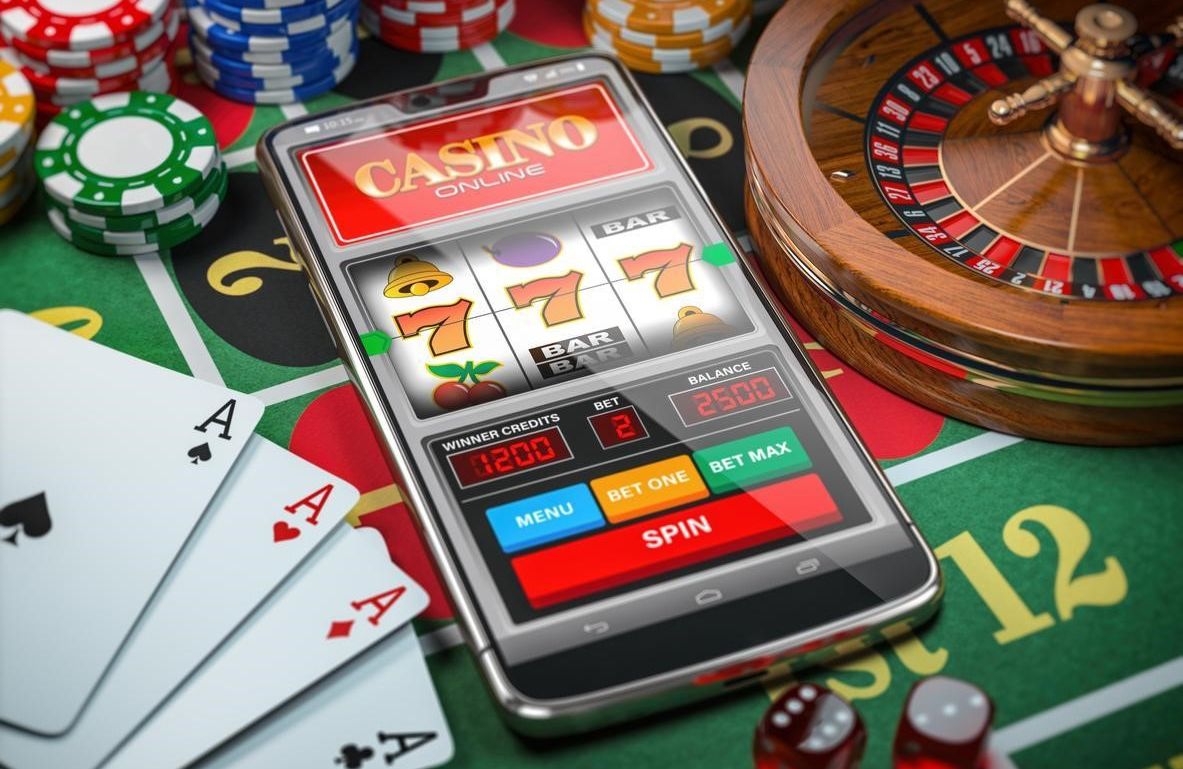
Additionally, gambling addiction can lead to significant financial repercussions, including debt accumulation and, in extreme cases, bankruptcy. Understanding how deeply gambling can impact one’s life is crucial for those starting to question their habits. Recognizing the broader implications helps individuals to understand that they are not alone and that the situation can improve with help.
Finding Help for Gambling Problems
It’s vital for those affected by gambling addiction to seek support. Resources such as counseling, support groups, and hotlines are available to assist individuals in acknowledging their problem and taking steps toward recovery. Talking openly about struggles often acts as a powerful first move in the healing process.
Incorporating self-care practices into daily life can also help mitigate the urge to gamble. Finding hobbies, spending time with loved ones, or engaging in physical activity can provide healthier outlets for stress. Surrounding oneself with a supportive community can offer the encouragement needed to face these challenges head-on.
Learn More and Get Involved
If you or someone you know is struggling with gambling, it’s imperative to take action. Websites like https://adoptachurch1040.com/ provide valuable information and resources to help individuals recognize harmful behaviors and find the necessary support. Community engagement can also foster a deeper understanding of these issues, further aiding those in need.
Awareness and education are crucial steps in addressing the consequences of gambling addiction. By sharing stories and solutions, we can create compassionate spaces where individuals feel safe to discuss their experiences and seek help. Together, we can turn the tide against harmful gambling and redefine what it means to enjoy life without the shadow of addiction.


